
Facilitating a 'Design Studio': Getting Your Whole Team to Sketch Solutions
Design is not the exclusive domain of people with 'Designer' in their title. This is one of the most important and least internalized principles in Lean UX. When a product team treats design as something that happens in a separate room, by a separate person, before being handed to the team for execution, two things go wrong: the team loses the diversity of perspective that produces genuinely creative solutions, and the people who ultimately build the product develop no ownership over the design decisions they are executing. The Design Studio method is a structured antidote to both problems.
A Design Studio is a facilitated collaborative session in which the entire product team — engineers, product managers, designers, and anyone else with a stake in the outcome — sketches solutions to a specific design problem. The session is not a group critique of the designer's work. It is a co-creation exercise in which everyone contributes ideas on equal footing. Lean UX champion Jeff Gothelf describes the Design Studio as one of the most powerful tools for building shared understanding quickly, because when everyone has sketched their interpretation of a problem's solution, the team has a concrete, visual basis for discussion and convergence. Arguments about design are replaced by evidence — the sketches on the table.
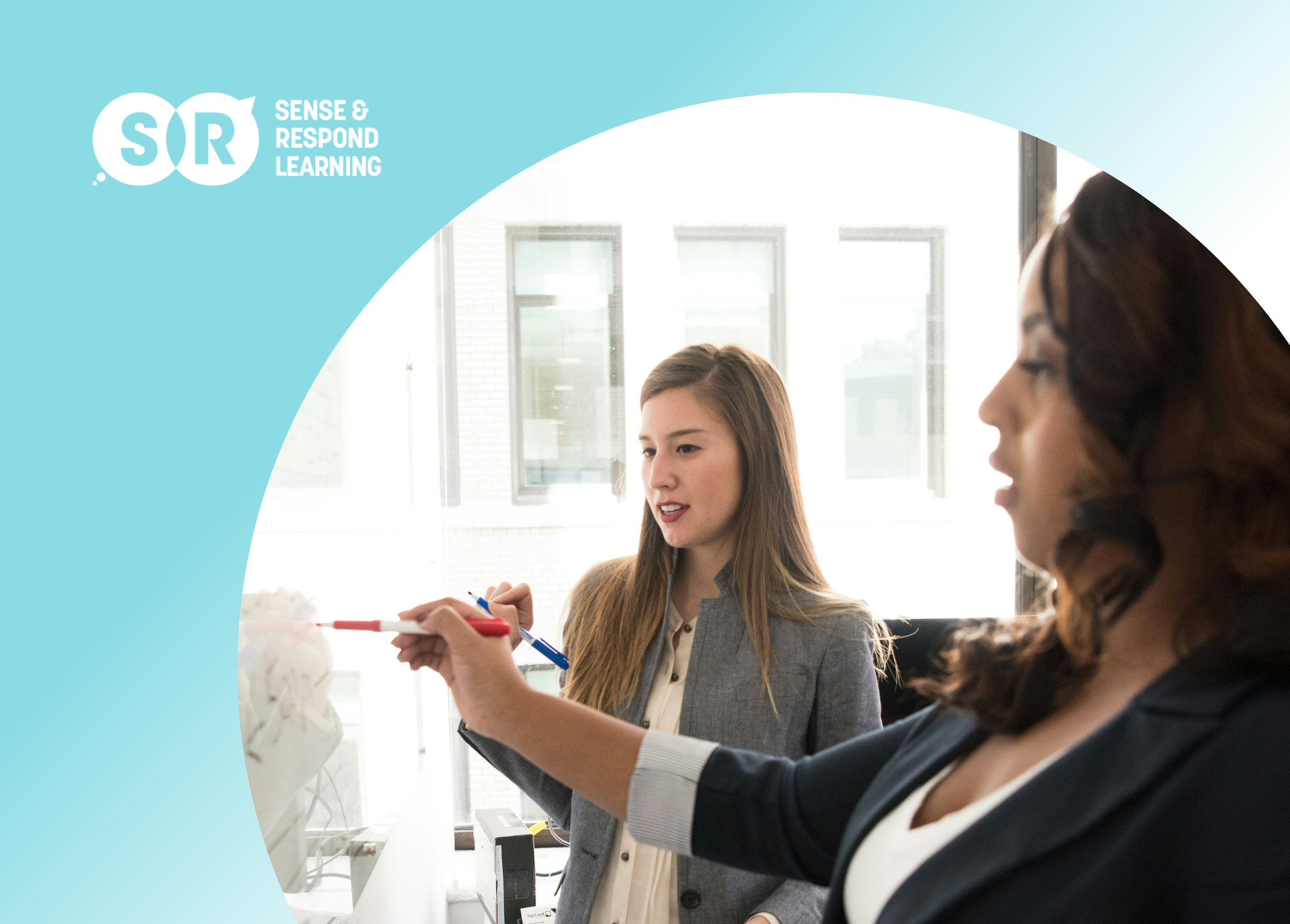
When everyone sketches, the team generates more diverse and creative solutions
Setting Up the Session: What You Need Before You Begin
A Design Studio session requires minimal preparation but specific inputs. Before the session, the facilitating PM or designer should prepare a clear problem statement that frames what the team is trying to solve. This is not a design brief — it is a focused question. 'How might we help new users understand the value of the product before they reach the activation step?' is a good Design Studio problem statement. 'Redesign the onboarding flow' is not — it is a solution statement dressed as a problem. The session should also have access to relevant user research, behavioral data, or proto-persona summaries so that participants can ground their sketches in real user context rather than personal preference.
Physically, the requirements are simple: paper (ideally large-format sheets or unlined index cards), thick markers (Sharpies or equivalent — the thickness is deliberate, as it prevents participants from getting into excessive detail at this stage), and a whiteboard or wall space for sharing. The thickness of the markers matters more than it might seem. When participants draw with thin-tipped pens, they tend to sketch detailed interfaces rather than broad concepts. Thick markers force conceptual thinking by making fine detail difficult to render. This is the essence of what Lean UX calls 'fat marker sketches' — rough, fast, concept-level thinking that invites collaboration rather than critique.
The 6-8-5 Sketch Exercise
The core activity of a Design Studio session is the 6-8-5 exercise: each participant produces 6 to 8 sketches in 5 minutes. The time constraint is intentional and important. When participants have five minutes to sketch six or eight ideas, they cannot be precious about any single sketch. They must generate volume, trust their instincts, and get concepts onto paper quickly. The first two or three sketches are usually the participant's most obvious ideas — the solutions they arrived with. The fourth and fifth require them to push past their initial framing. The sixth or seventh is often where something genuinely novel appears, because the participant has been forced to exhaust their obvious thinking.
After the sketching round, participants share their sketches with the group — briefly, no more than two to three minutes per person. The goal of the sharing round is not critique or evaluation. It is mutual exposure: every team member now has visibility into every other team member's thinking. After all sketches have been shared, the group works together to identify the ideas, elements, or approaches that appear most promising. These are the building blocks for convergence — the process of taking the best ideas from the divergence exercise and synthesizing them into a shared direction. The PM's role in this convergence is to keep the discussion grounded in the problem statement and the user context, preventing the group from defaulting to the ideas of the most senior person in the room.
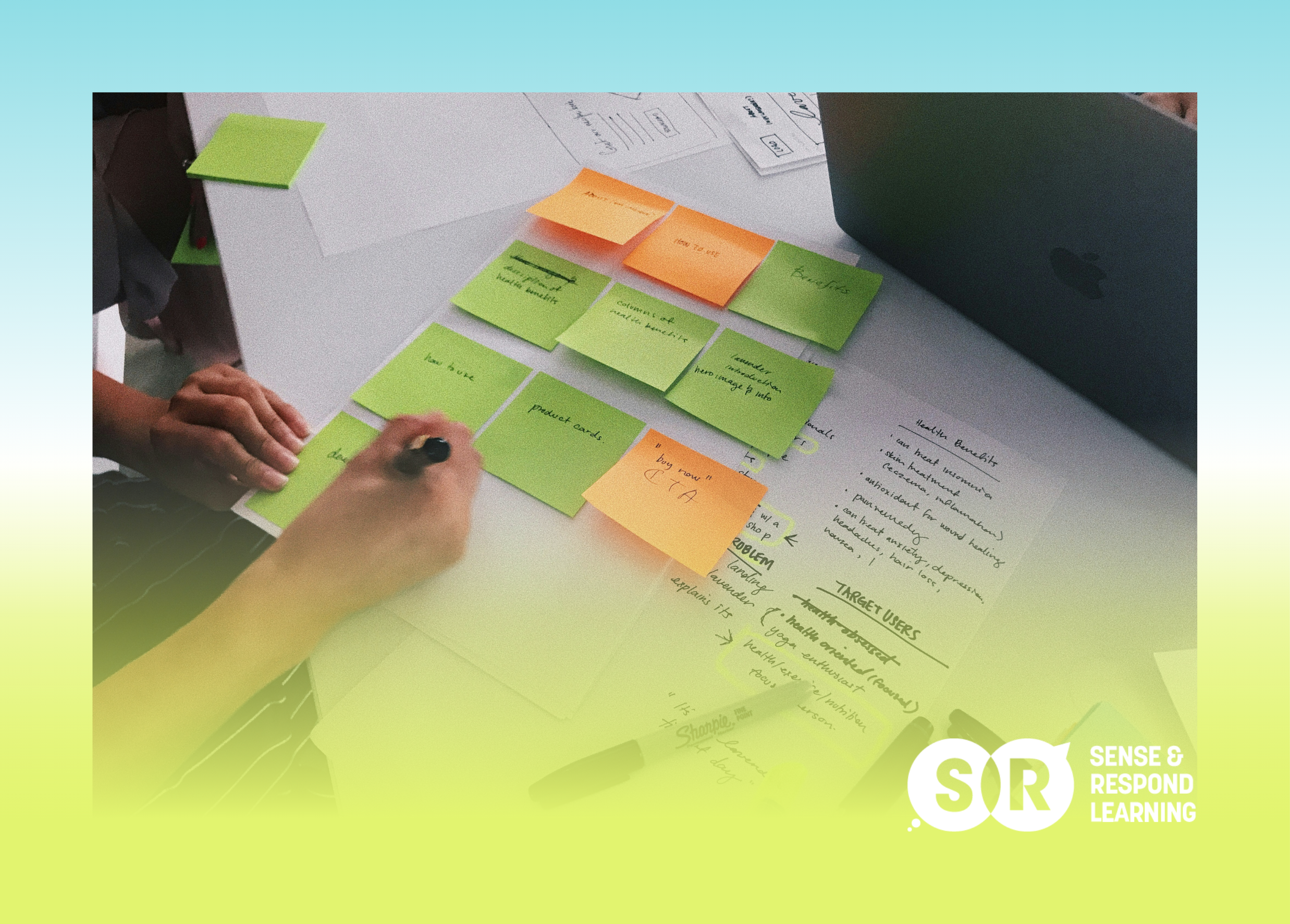
The Design Studio's convergence phase synthesizes the best ideas from across the team.
Managing the Room: Facilitation Tactics for PMs
The most common failure mode in Design Studio facilitation is the dominance of confident voices. In most teams, there are a few people — often senior engineers or the most experienced designer — whose opinions carry significant social weight. If the facilitator allows these voices to dominate the sharing and convergence phases, the Design Studio becomes a sophisticated ratification process for ideas that were already settled before the session began. To prevent this, structure the sharing sequence deliberately: start with the quietest people, not the most confident. Give everyone exactly the same amount of time to share, regardless of seniority. And when the convergence discussion begins, explicitly solicit input from those who have not yet spoken.
It is also important to create clear boundaries around criticism during the sharing phase. Participants should present their sketches descriptively ('This sketch shows a user seeing their progress as a percentage at the top of each step') rather than defensively or persuasively. The group should ask clarifying questions before evaluating ideas. Evaluation happens in the convergence phase, not the sharing phase. This sequencing prevents premature convergence on familiar ideas and creates the psychological safety that allows less confident participants to share ideas that might, on reflection, be the most valuable in the room.
From Sketches to Decisions: What Happens After the Studio
The output of a Design Studio session is not a final design. It is a set of shared, prioritized directions that the design team can develop further in higher fidelity. After the session, the design lead synthesizes the most promising elements from the convergence discussion into one or more concepts for further prototyping and testing. These concepts are grounded in the team's collective thinking rather than any individual's preference, which means they already carry a degree of team buy-in that a solo-designed prototype rarely achieves.
Document the session by photographing all sketches and the convergence output on the whiteboard. These photos serve two purposes: they give the design team a reference for the next stage of work, and they create a record of the decision-making process that can be shared with stakeholders who were not in the session. When engineers and product managers who participated in the Design Studio see their sketches reflected in the eventual product design, they feel ownership over that design. This ownership translates directly into better engineering conversations, more proactive problem-solving during development, and less rework caused by late-breaking disagreements about the design's direction.
The Bottom Line
Design Studios are one of the most time-efficient tools in a product team's facilitation toolkit. A well-run two-hour session can generate more diverse, creative solutions than a week of solo design work, while simultaneously building the shared understanding and team ownership that make those solutions more likely to be executed well. The method requires minimal materials and no design expertise to facilitate — only the discipline to hold the space for every voice in the room and keep the conversation anchored to the problem the team is actually trying to solve.
Related Posts from Sense & Respond Learning
The Truth Curve: How to Choose the Right MVP Fidelity for Your Idea
The Death of the Handoff: Why 'Over the Wall' Design Is Failing
Facilitating Remote Design Sprints: Tools and Tactics for Distributed Teams
Further Reading & External Resources
Lean UX (3rd Edition) — Jeff Gothelf & Josh Seiden — Chapter 14 covers collaborative design including Design Studio methodology
Sprint — Jake Knapp, John Zeratsky & Braden Kowitz — A structured five-day approach to design, prototype, and test with customers
Gamestorming — Dave Gray et al. — A toolkit of collaborative practices for innovation and problem-solving
Want to go deeper? This post is part of the Sense & Respond Learning resource library — practical frameworks for product managers, transformation leads and executives who want to lead with outcomes, not outputs.
Explore the full library at https://www.senseandrespond.co/blog
